
Processing Guides
Process Gallery

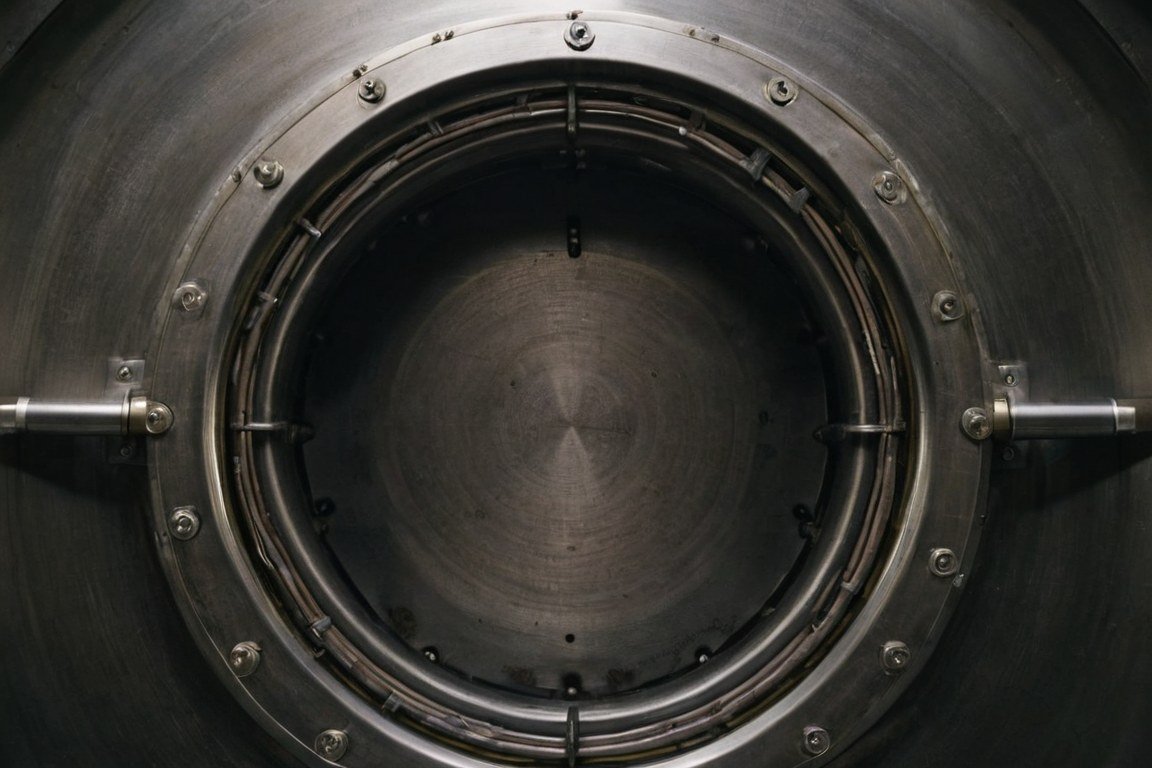
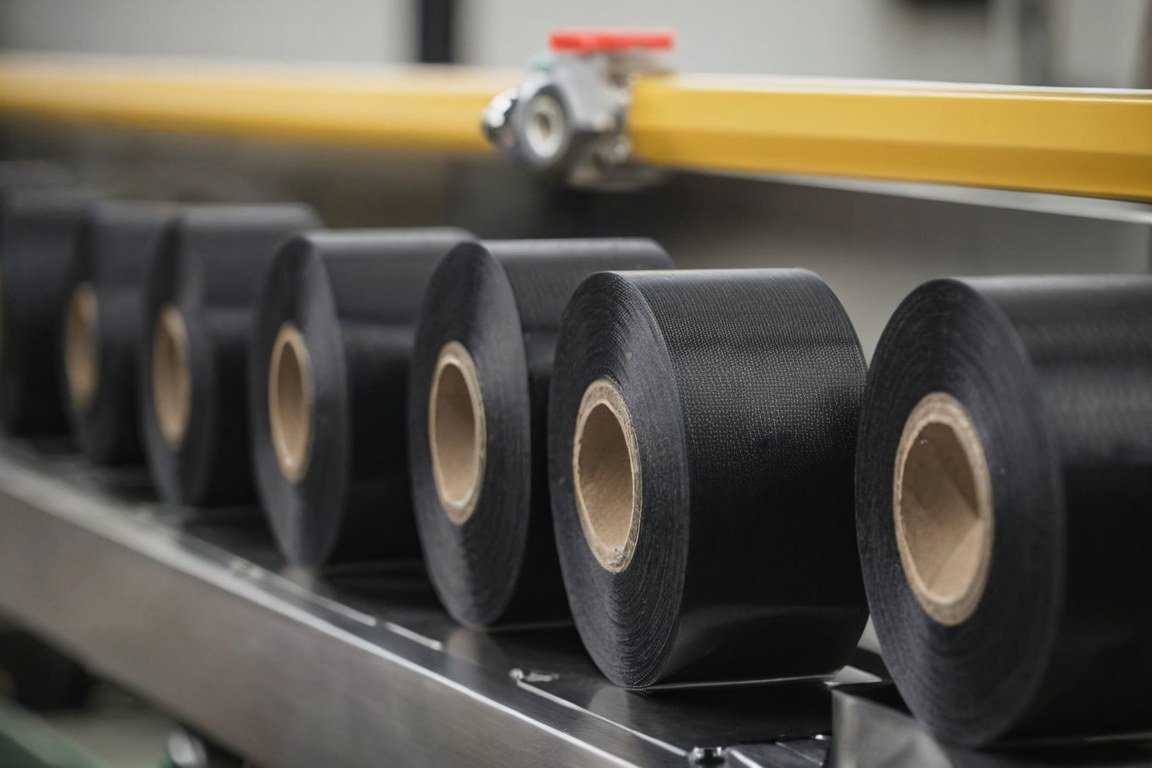
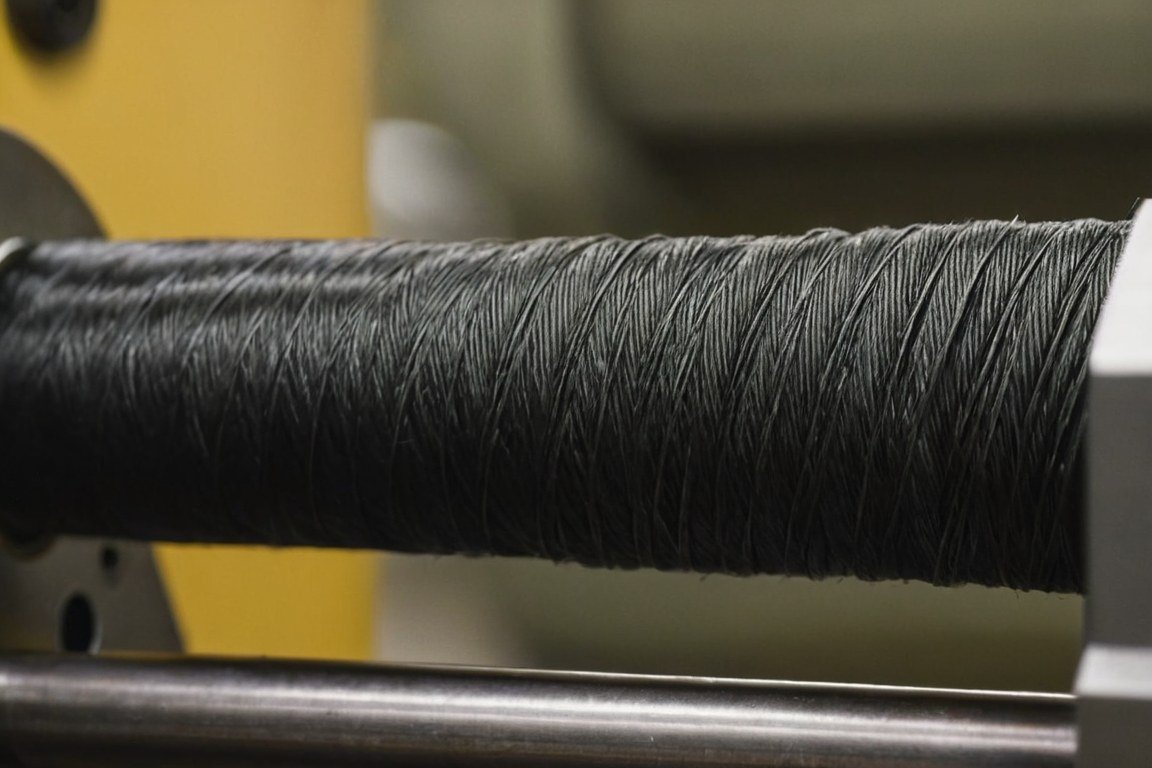
A material is only as good as the process it enters. These guides cover how our fabrics and prepregs behave in the main molding routes, and the mistakes that most often cost a trial program its result.
Choosing a Processing Route
| Process | Suitable materials | Typical use | Watch out for |
|---|---|---|---|
| Hand lay-up | Fabrics with loose weave; prepregs with long out-time | Prototypes, low volume, large parts | Resin-rich areas and voids if wet-out is rushed |
| Vacuum bagging | Prepregs; fabrics with compatible resin | Medium volume, good quality-to-cost ratio | Vacuum leaks, resin flow paths, insufficient drainage |
| Autoclave | Thermoset prepregs (epoxy, BMI) | Structural parts, aerospace-grade quality | Pressure cycling and porosity control |
| Press / thermoforming | Thermoplastic prepregs and laminates | Short cycle, high volume, flat panels | Heating uniformity — cold spots cause incomplete consolidation |
| Automated tape placement / winding | UD tows, UD prepreg tapes | Large structures, pipe, closed sections | Tension control and compaction |
Consolidation Is Where Quality Is Won or Lost
For thermoplastic processing in particular, consolidation is the decisive step: the material is heated to melt the matrix, pressure is applied, and the layers must fuse into a single solid. Most defects in finished parts trace back to insufficient or uneven consolidation during this stage rather than to the material itself.
- Bring the whole stack to temperature uniformly — a partially cold laminate will not consolidate, and the bond lines remain weak
- Apply pressure after the matrix has begun to flow, not before — pressing a cold laminate simply locks in the geometry and traps the gaps
- Hold pressure through cooling to full solidification; early release creates residual voids
Common Failure Modes
| Problem | Likely cause | What to change |
|---|---|---|
| Voids / porosity | Incomplete impregnation, air trapped in lay-up, moisture | Improve wet-out sequencing; dry materials; use vacuum or pressure |
| Dry spots / resin-rich areas | Insufficient resin flow or poor compaction | Increase pressure and hold time; check resin content matches design |
| Delamination between plies | Contamination, insufficient tack or incomplete consolidation | Keep surfaces clean; check out-time; verify consolidation temperature |
| Fiber waviness | Tow tension too high during lay-up or winding | Reduce tension; use tension control on winding equipment |
| Twist and drape difficulty | Tow grade too heavy for the geometry | Move to a lower filament count for better drape |
Storage Before You Process
Thermoset prepregs are stored frozen or refrigerated to hold shelf life, and every roll carries an out-time budget. Thermoplastic prepregs need no cold storage but do need to stay dry and clean. Both topics are covered in detail in our article on material selection and in the storage guidance on our technical blog.
Need a Process Recommendation?
Tell us the part geometry, target cycle time, available equipment and annual volume on the contact page. We will tell you which material and which process fit — including when the honest answer is that a simpler process will give you a better part.