
Consumer Electronics (3C)
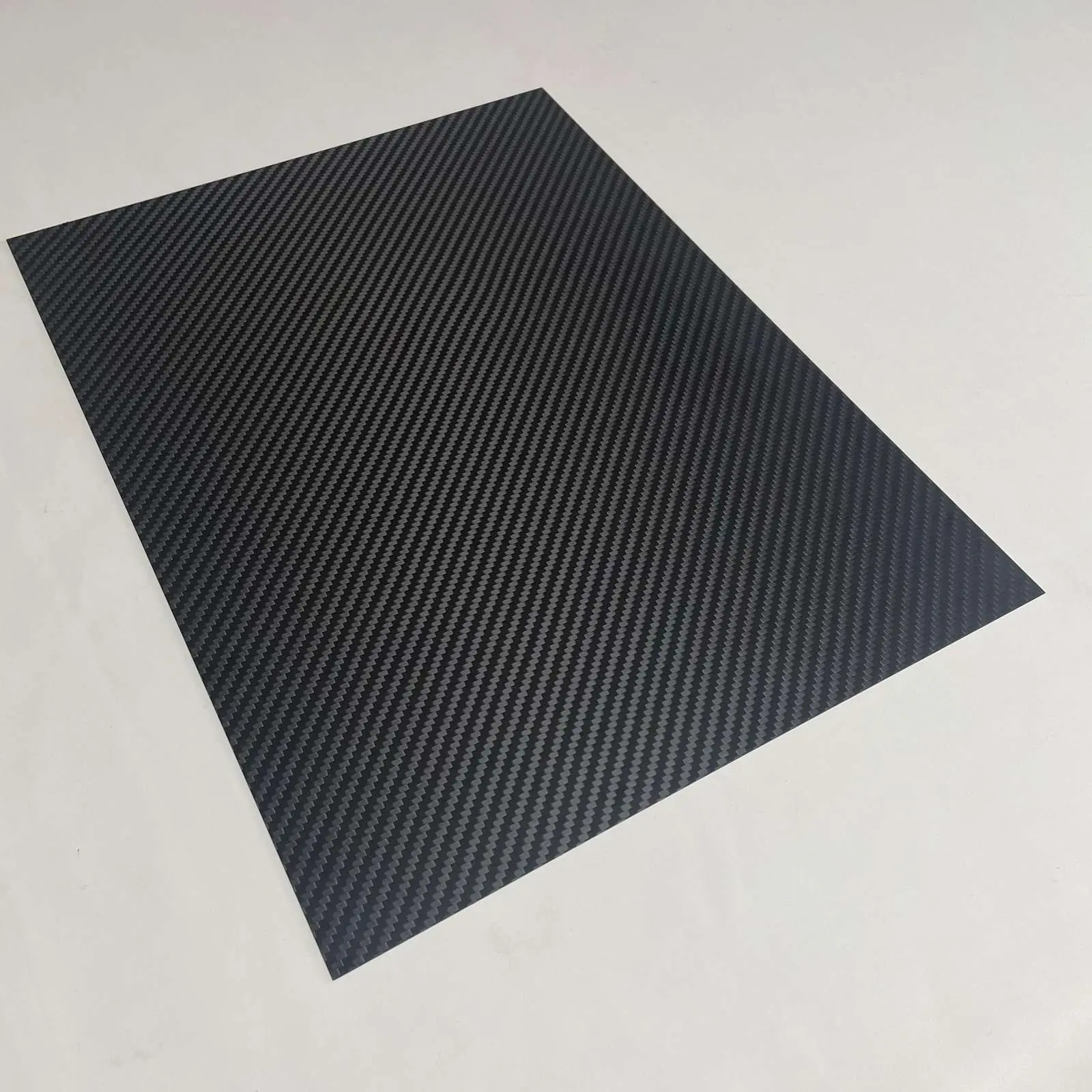
In consumer electronics, carbon fiber is a design material first and an engineering material second. The weave you can see is the selling point, which means cosmetic quality and thickness consistency matter more than any datasheet number.
What This Industry Demands
- Cosmetic surface quality under clear coat or soft-touch coating
- Tight thickness tolerance for thin housings and lids
- EMI shielding capability where required
- Light weight and rigidity in thin sections
- Consistent appearance between production lots
Recommended Products
- Carbon Fiber Fabrics — 2×2 twill and plain weaves for cosmetic housings
- Thermoplastic Prepregs — thin CFRTP laminates for housings and covers
- Carbon Nanotubes — for conductive and antistatic compounds
- Glass Fiber Fabrics — for internal frames and non-cosmetic parts
Typical Applications
Laptop and tablet covers · drone and RC frames · camera and gimbal housings · speaker enclosures · wearable shells · robotics and gimbal arms · antenna and RF housings · internal structural frames · automotive and concept electronics.
How to Start a Specification
Send us the service conditions and the process you plan to use, and we will tell you which material fits — including when the honest answer is that a cheaper grade will do.
- Target properties or the constraint you are solving for
- Process: hand lay-up, vacuum bag, autoclave, press molding or automated placement
- Annual volume and acceptable lead time
- Target market documentation requirements
For cross-sector technical background, our technical articles cover material selection in depth, and the FAQ answers the questions buyers ask most often.
Need a cosmetic weave for a housing or lid?
Send the part geometry, the weave you need to see under the coating, and your annual volume. We will confirm the fabric or laminate we can supply and send the matching TDS, SDS and COA.
Technical reading
Deeper material on this product category, from our engineering notes: