
Industrial & Energy
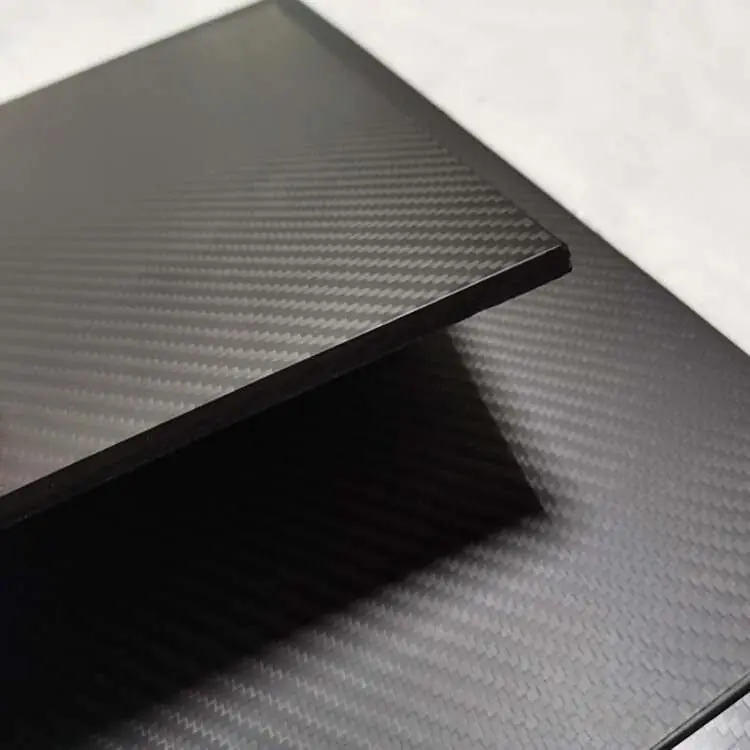
Industrial composites are engineered for cost per unit of performance, and often for a service life that nobody is watching. Pressure, chemical exposure, wear and long outdoor service are the real design constraints in this segment.
What This Industry Demands
- Chemical and solvent resistance for process environments
- Wear and abrasion resistance for moving or flowing parts
- Temperature stability under long-term service
- Dimensional stability and low moisture uptake
- Cost efficiency for long production runs
Recommended Products
- Glass Fiber Fabrics — E-glass and S-glass for industrial pipes and vessels
- Carbon Fiber Fabrics — where stiffness at temperature is the constraint
- Chopped Carbon Fiber — for compression and injection molded parts
- Carbon Fiber Tows — for filament winding and pipe production
Typical Applications
Filament-wound pipes and pressure vessels · wind turbine components · chemical handling equipment · robotics arms and end effectors · conveyor and handling systems · battery and energy storage components · infrastructure reinforcement · agricultural and construction equipment parts · test and measurement fixtures.
How to Start a Specification
Send us the service conditions and the process you plan to use, and we will tell you which material fits — including when the honest answer is that a cheaper grade will do.
- Target properties or the constraint you are solving for
- Process: hand lay-up, vacuum bag, autoclave, press molding or automated placement
- Annual volume and acceptable lead time
- Target market documentation requirements
For cross-sector technical background, our technical articles cover material selection in depth, and the FAQ answers the questions buyers ask most often.
Technical reading
Deeper material on this product category, from our engineering notes: