
Home / Products / Chopped Carbon Fiber
Chopped Carbon Fiber
Product Photos
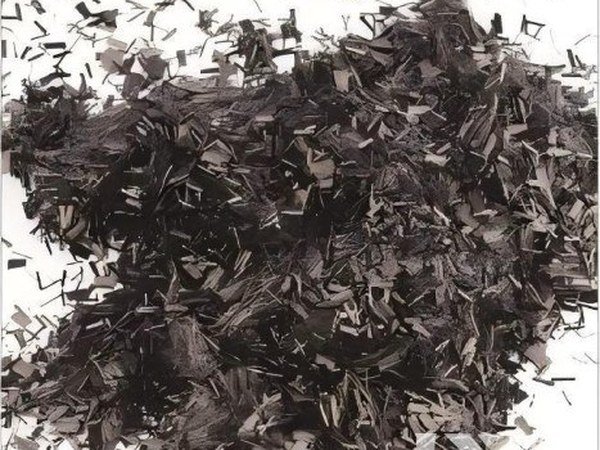
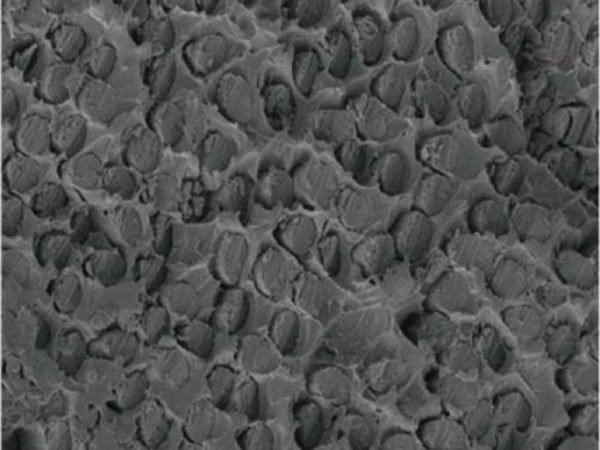
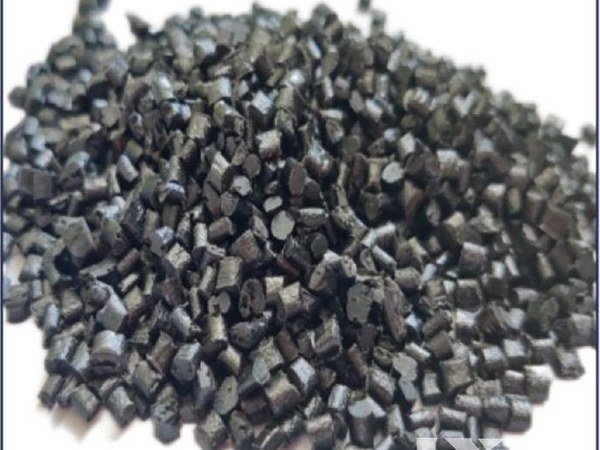
Chopped carbon fiber in 3 / 6 / 12 mm and custom lengths.

Chopped Carbon Fiber Specifications
| Property | Range / option | Note |
|---|---|---|
| Fiber length | 3 mm, 6 mm, 12 mm, custom | Length trades dispersion against reinforcement |
| Sizing | Sized / unsized | Sizing matched to the carrier resin |
| Compatible systems | Thermoset and thermoplastic compounds | Used in SMC/BMC, injection and compression molding |
| Function | Stiffness, electrical conductivity, dimensional stability | Not a substitute for continuous fiber where strength governs |
| Packaging | Bag or bulk | Confirmed per order quantity |
Ranges marked “confirmed per grade” are set by reinforcement and resin selection; send us your target specification and we confirm what we can supply.
What chopped carbon actually does in a compound
Short fibre changes three things at once: stiffness, electrical conductivity and dimensional stability. That combination is why it appears in parts that must hold tolerance or dissipate static rather than parts that must carry a bending load. Where strength governs, continuous fibre is the correct answer and chopped material will not substitute for it.
How fibre length changes the result
Length is a trade-off, not a quality scale. Short lengths (3 mm) disperse more evenly and feed more reliably, which matters in thin walls and small gates. Longer lengths (12 mm and above) buy more reinforcement per fibre but are harder to disperse and more likely to break down in the screw. The right length is set by the wall thickness, the gate and the moulding process.
Sizing is not a detail
Sizing decides whether the fibre bonds to the resin at all. A size matched to an epoxy will not perform the same way in a polypropylene carrier, and an unsized product is normally chosen when the customer applies their own coupling system. Tell us the carrier resin when you enquire; it is the single most useful piece of information after the fibre length.
Where it fits
SMC and BMC, injection moulding and compression moulding are the usual routes. It is also used to adjust an existing compound rather than to build a part from scratch. Compare with carbon nanotubes when conductivity is the only target, and with carbon fiber tows when the part needs continuous reinforcement. Send the carrier resin, length and target loading through contact.
Technical reading
Deeper material on this product category, from our engineering notes: