
Home / Products / Glass Fiber Products
Glass Fiber Products
Product Photos
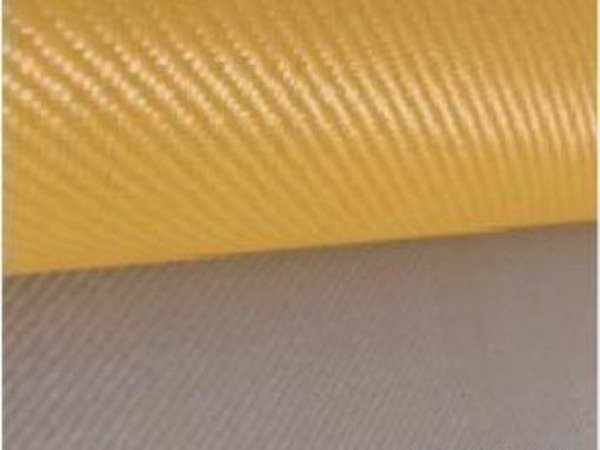
E-glass and S-glass fabrics, rovings and woven cloth.
Glass Fiber Specifications
| Property | Range / option | Note |
|---|---|---|
| Fiber type | E-glass, S-glass (high-strength grade) | S-glass for higher tensile and temperature |
| Form | Woven cloth, woven roving, rovings | Rovings for winding and chopper feed |
| Areal weight | Confirmed per grade | Weight range depends on weave and yarn |
| Width | Confirmed per grade | Depends on weave and yarn; custom slitting available |
| Continuous thermoplastic types | GF/PP, GF/PC, GF/PA6, GF/PPS | Glass-reinforced continuous prepreg |
| Hybrid options | Carbon/glass hybrid fabrics | Carbon in primary load path, glass elsewhere |
Ranges marked “confirmed per grade” are set by reinforcement and resin selection; send us your target specification and we confirm what we can supply.
E-glass or S-glass: how the choice is made
E-glass is the general-purpose reinforcement. It covers most laminating, pultrusion and winding work, and it is the grade most specifications are written around. S-glass carries higher tensile strength and a higher usable temperature, so it is specified where the part is strength- or heat-limited and the extra performance justifies a different grade. The decision normally follows the load case and the service temperature rather than preference.
Glass or carbon: what changes in the part
Carbon is stiffer and lighter for the same section, and it conducts electricity. Glass is the lower-cost reinforcement by volume, it insulates, and it tolerates impact and elongation better. That is why many production parts are hybrids: carbon in the primary load path where stiffness has to be bought, glass elsewhere where thickness, cost or insulation matter. We supply carbon fiber fabrics alongside glass for exactly this reason.
Fabric, roving or continuous thermoplastic tape
The three forms are not interchangeable. Woven cloth and woven roving are laid into a mould by hand or on a cutting line, so drape and areal weight decide the ply. Rovings are fed to a winder or a chopper, so yarn tex and package size decide the run. Continuous glass-reinforced thermoplastic tape (GF/PP, GF/PC, GF/PA6, GF/PPS) is a different family: the fibre stays continuous and the resin is already in the tape, which is what makes a press cycle possible instead of a wet lay-up. That family is covered under thermoplastic prepregs.
What to send us to get a usable quote
Four items decide the answer: fibre type (E-glass or S-glass), form (cloth, roving or tape), areal weight or yarn tex, and the width your line can actually run. Add the resin if it is a continuous thermoplastic product, and the process if the part is already tooled. With those we confirm the grade and the documents that come with it — grade-specific TDS, SDS and COA.
Related
Also in this family: aramid fabrics for impact and abrasion layers, chopped fibre for compounding, and carbon fiber tows where the load case needs stiffness. Questions on a specific build-up go through contact.
Technical reading
Deeper material on this product category, from our engineering notes: