
热固性预浸料
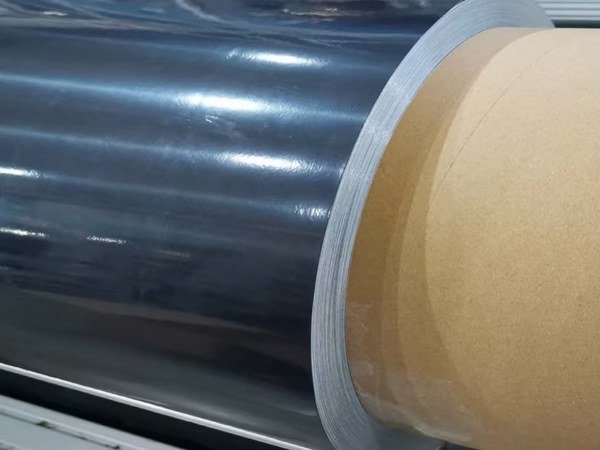
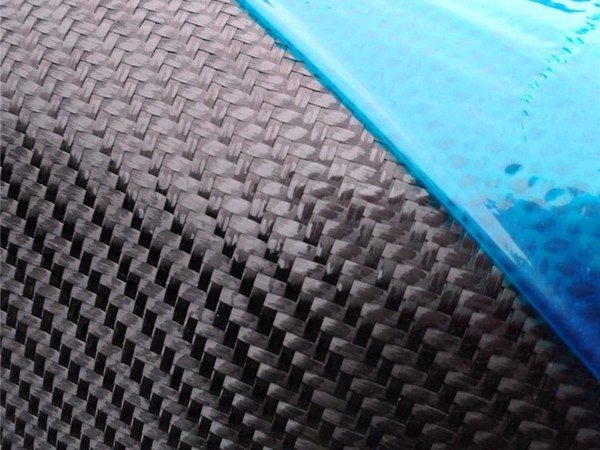
Product Photos
Thermoset prepreg rolls and consolidated ply structure.
热固性预浸料规格
| 项目 | 范围 / 可选 | 说明 |
|---|---|---|
| Resin systems | Epoxy (incl. aerospace toughened), BMI, cyanate ester, vinyl ester | 按使用温度选型 |
| 增强体 | 碳纤维、玻纤、芳纶织物或 UD | 与工艺和载荷工况匹配 |
| 面重(FAW) | 按等级确认 | 由增强体与目标层压结构决定 |
| 树脂含量 | 按等级确认 | 可定制树脂含量 |
| 加工方式 | 热压罐、非热压罐(OOA) | OOA 牌号适用于大型制件 |
| Storage | 多数体系需冷冻储存 | 各牌号均标注适用期与保质期 |
Ranges marked “confirmed per grade” are set by reinforcement and resin selection; send us your target specification and we confirm what we can supply.
Thermoset or thermoplastic: what actually changes the decision
A thermoset prepreg cures by chemical crosslinking. Once the cycle is complete the resin network is set, and the part cannot be re-melted or re-formed. A thermoplastic prepreg works the opposite way: it softens on heating and solidifies on cooling with no chemical bond forming, so it can be re-processed and welded. If the part has to hold a tight tolerance under continuous heat and will never be reworked, a thermoset system is usually the conservative choice. If the process needs short cycles, recyclability or secondary welding, look at 热塑性预浸料 instead.
要拿到可用报价,请提供这些信息
Thermoset prepreg is quoted against a specification, not against a product name. Five items decide almost everything:
- 树脂体系 — epoxy, BMI, cyanate ester or vinyl ester, and the service temperature it has to survive.
- 增强体 — carbon, glass or aramid; fabric or UD; and the orientation.
- 面重与树脂含量 — stated against the target laminate, not as a preferred number.
- 工艺 — autoclave or out-of-autoclave, and the cure schedule you already run.
- Part envelope — size, ply count and any thickness tolerance that matters.
With those five we can confirm what is available for the grade and which documents come with it — grade-specific TDS, SDS and COA. Without them, any number is a guess.
储存、适用期与操作
Most thermoset systems are shipped and stored frozen. Out-time and shelf life are stated per grade and are not interchangeable between resin families. Two habits prevent most handling complaints: let the roll come up to room temperature inside its sealed bag before opening it, because condensation on a cold prepreg is the usual source of surface defects; and log cumulative out-time rather than assuming a roll is still fresh because it came out of the freezer this morning.
买家关心的缺陷模式
Most defects trace back to one of four causes: voids from an incomplete vacuum or a ramp that is too fast; resin-starved areas where resin ran before the fibre was compacted; bridging over a radius where the prepreg could not conform; and wrinkles from ply placement. Each has a distinct appearance on a cut section, which is why a photograph of the section tells us more than a description of a bad part.
Related
热固性预浸料与我们的 碳纤维织物 和 玻璃纤维产品 in the same supply chain. If the material family is still open, the processing guides cover lay-up and cure; send the five items above through contact 以开始选型。
.lx-shot-grid{display:grid;grid-template-columns:repeat(2,1fr);gap:14px;margin:0 0 16px}.lx-shot-grid figure{margin:0}.lx-shot-grid img{width:100%;height:auto;display:block;border-radius:6px}.lx-shot-grid figcaption{font-size:13px;color:#56606b;margin-top:6px;text-align:center}@media(max-width:600px){.lx-shot-grid{grid-template-columns:1fr}}.lx-shot-note{font:400 12px/1.6 -apple-system,BlinkMacSystemFont,”Segoe UI”,Roboto,sans-serif;color:#6b7280;background:#f7fafc;border:1px dashed #cbd5e1;border-radius:6px;padding:10px 14px;margin:0 0 22px}Technical reading
Deeper material on this product category, from our engineering notes: