
制造与质量
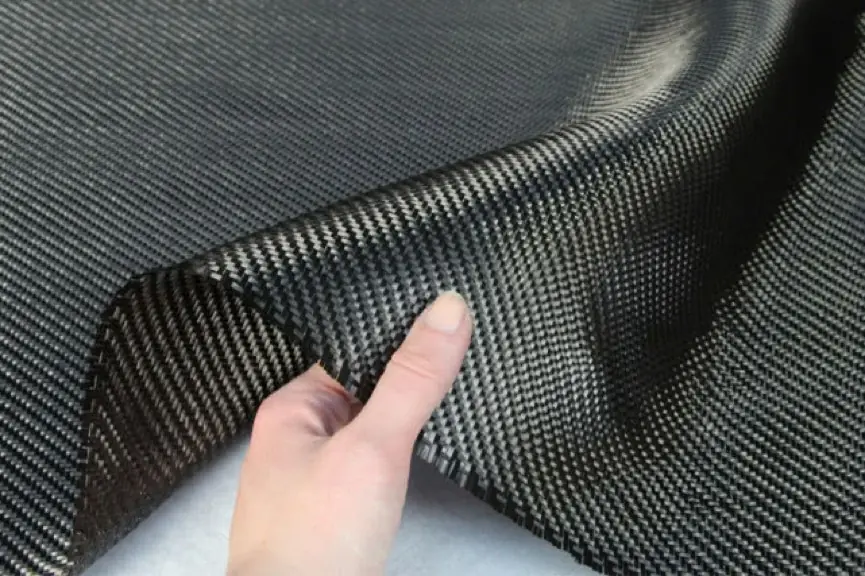
How our materials are made, and what we check before they leave the plant. Composite manufacturing is unforgiving: a fabric that looks identical can behave differently if its areal weight, sizing or resin content drifts. This page describes the controls we apply.
我们的生产能力
| Product line | 生产能力 | Specification range |
|---|---|---|
| 碳纤维布 | 织造、上浆与卷切 | Plain / twill / satin weaves; UD; approx. 50–600 g/m²; up to 1270 mm width |
| 热塑性预浸料 | 浸渍、分切与卷绕 | UD tape, prepreg roll, woven prepreg; matrices PP, PA, PC, PPS, PEEK |
| Thermoset prepregs | 浸渍与卷绕 | Epoxy systems; resin content and areal weight adjustable |
| Tow preparation | 规格复核、络筒与收卷 | 3K / 6K / 12K / 24K 及更大丝束 |
来料管控
Fibers and resins are checked on arrival against the supplier specification: areal weight, filament count, resin viscosity and solids content. Lots that fall outside tolerance are quarantined rather than blended into production, so a material deviation never becomes your problem downstream.
In-Process Checks
- 克重 — sampled across the roll width, not just at the edge
- Weave consistency — pattern regularity, float length and selvedge condition
- 树脂含量 — for prepregs, controlled to a defined tolerance band
- Width and roll mass ——分切包装前完成验证
- Surface defects — broken filaments, contamination and resin pooling are inspected under raking light
成品检验
Before packing, each roll is re-inspected: visual quality across the full width, edge condition, weight and length confirmation, and label verification against the order. Packing uses export-grade protection with moisture barriers for prepregs, and every roll is labeled with lot, grade, width and production date so material history is traceable through your own inventory.
Documentation
Documentation for a specific grade depends on the grade and the target market. Tell us what you need for your documentation package and we will confirm what we can provide. More on this in 文件与合规.
我们需要买家提供的信息
Accurate processing conditions matter as much as the material. When you contact us, please share the process you plan to use (hand lay-up, vacuum bag, autoclave, press molding or automated placement), the target thickness and the service temperature. With that we can recommend a material that actually fits your process instead of one that merely looks right on a datasheet.